SGI

Offers Multiple Career Options in Emerging Sectors after Graduation

Multi Disciplinary (NEP complied) integrated Campuses offering various Modules in Emerging Sectors

Author name: sGi@AdMin

SCPHR

Scope and Career Opportunities After BSc Degree in Cyber and Digital Science

In today’s world, digital technology is everywhere, and things like smartphones, computers, and the Internet of Things (IoT) have become a big part of our lives. We use them for communication, managing money, healthcare, and even getting around. While this connectivity offers unprecedented convenience, it also exposes us to an array of cyber threats, including data breaches, identity theft, and cyberattacks. A BSc degree in Cyber and Digital Science serves as a stepping-stone for individuals seeking a rewarding career in the realm of cybersecurity and digital protection. This comprehensive program delves into the intricacies of safeguarding digital assets, investigating cybercrimes, and devising strategies to mitigate emerging threats. Graduates are equipped with technical expertise and a deep understanding of the ethical and legal considerations underpinning the digital landscape. Understanding Cyber and Digital Science Cyber and Digital Science is a wide-ranging field that involves protecting digital systems, networks, and data from unauthorized access and attacks. It also includes investigating digital evidence in cases of cybercrimes. This field covers various areas like cybersecurity, digital forensics, cryptography, network security, and data privacy. A BSc degree in Cyber and Digital Science teaches students computer science, programming, data analysis, and information security. Graduates become skilled in finding vulnerabilities, assessing risks, and implementing security measures. They can also analyze digital evidence during investigations. They also learn about ethics, which is important in balancing security and privacy. With cloud computing, mobile devices, and IoT devices becoming widespread, cybercriminals have more opportunities to attack. Organizations need experts to protect their data. Professionals in cyber and digital science ensure data is safe, preserving its privacy and security. This is vital for individuals, businesses, and even governments to avoid harmful breaches. Scope of Cyber and Digital Science The scope of cyber and digital science is expanding rapidly, driven by the increasing demand for experts to safeguard digital assets and combat evolving cyber threats. Growing Demand for Professionals in the Field The need for skilled experts in cyber and digital science is rising rapidly. With cyber threats becoming more advanced and widespread, organizations are actively searching for professionals who can create proactive plans to lessen risks. Industry reports predict a massive shortage in the global cybersecurity workforce, underscoring the urgent requirement for qualified specialists. Industries and Sectors Requiring Cyber and Digital Science Cyber and digital science professionals are crucial across various industries. Financial institutions need them to secure transactions and protect customer data. Healthcare organizations rely on their expertise to safeguard electronic health records. Government agencies, technology firms, e-commerce platforms, and even vital infrastructure areas such as energy and transportation all depend on these specialists to strengthen their digital defenses. Impact of Cyber Threats and the Need for Experts Cyberattacks’ frequency and seriousness have significant consequences. Besides financial losses, these incidents damage trust, disrupt operations and expose sensitive data. The rise of ransomware, phishing scams, and nation-state attacks highlights the vital necessity for professionals skilled in detecting, responding to, and recovering from such threats. A BSc degree in Cyber and Digital Science empowers graduates to play a pivotal role in protecting digital assets and ensuring the stability of our interconnected world. Career Opportunities in Cyber and Digital Science Overview of Diverse Career Paths Available A BSc degree in Cyber and Digital Science opens the door to a wide array of exciting and fulfilling career paths. From protecting sensitive data to unravelling complex cybercrimes, professionals in this field are in high demand across various sectors. Job Roles and Responsibilities in Cyber and Digital Science Cybersecurity Analyst: These professionals are tasked with identifying vulnerabilities in systems, networks, and applications, and implementing security measures to mitigate risks. Digital Forensic Investigator: Digital forensics experts recover, analyze, and preserve digital evidence for legal purposes, such as in criminal investigations or litigation. Security Consultant: Security consultants provide expert advice to organizations on how to enhance their cybersecurity posture, develop security policies, and conduct risk assessments. Data Privacy Officer: Data privacy officers ensure compliance with data protection regulations, manage data breach incidents, and implement privacy-enhancing measures Cybersecurity Engineer: Cybersecurity engineers design and build secure systems, networks, and applications, incorporating robust security features from the ground up. Incident Response Analyst: These professionals respond to cybersecurity incidents in real-time, mitigating the impact of breaches and preventing further damage. Specific Career Opportunities Cybersecurity Analyst: As a cybersecurity analyst, you’ll be responsible for monitoring network traffic, identifying suspicious activities, and implementing security measures to protect against cyber threats. You’ll also conduct vulnerability assessments and recommend remediation strategies to enhance an organization’s security posture. Digital Forensic Investigator: In this role, you’ll investigate cybercrimes by analysing digital evidence such as emails, files, and network logs. Your work will contribute to legal proceedings, helping to uncover the truth behind cyber incidents. Security Consultant: As a security consultant, you’ll collaborate with organizations to assess their security vulnerabilities, develop comprehensive security plans, and provide guidance on implementing best practices to safeguard digital assets. Data Privacy Officer: Data privacy officers play a crucial role in ensuring that organizations handle personal and sensitive data in compliance with privacy regulations. You’ll oversee data protection measures, manage data breach incidents, and educate employees on privacy policies. Cybersecurity Engineer: Cybersecurity engineers design and build secure systems, integrating security controls and protocols to prevent unauthorized access and data breaches. You’ll also participate in security audits and assessments to ensure ongoing protection. Incident Response Analyst: In this fast-paced role, you’ll be on the front lines of cyber incidents, coordinating and executing rapid response strategies to contain threats, minimize damage, and restore normal operations. Risk Analyst: Risk analysts evaluate an organization’s risk exposure to cyber threats and develop strategies to mitigate those risks. You’ll conduct risk assessments, analyze potential vulnerabilities, and recommend risk mitigation measures. Skills and Qualifications Needed Essential Technical Skills Required for a Career in Cyber and Digital Science Programming Languages: Proficiency in programming languages such as Python, Java, C++, and scripting languages is essential for tasks like developing security tools, analyzing code, and automating tasks. Networking and Systems: Understanding of network protocols,


how-animation-industry-growing
SCPHR

Fostering Innovation & Entrepreneurship at Suryadatta Group

“Ideas to Impact: Fostering Start-ups, Innovation, and Entrepreneurship Mindsets at Suryadatta Group of Institutes, Pune” ” Start-ups and innovation play a pivotal role in driving economic growth, problem-solving, and global competitiveness. Suryadatta integrates entrepreneurship and innovation into its academic programs, empowering students with idea generation, business model canvasing, funding & Venture Capital Management, and risk management skills. The institute offers incubation centres, industry collaborations, and practical skills development, which effectively bridge the gap between industry and academia. At Suryadatta, critical thinking and problem-solving are emphasized, preparing the students to thrive in a rapidly changing business landscape while fostering a critical mindset. Suryadatta alumni serve as inspiring examples for students, showcasing successful start-ups, innovation challenges, and an entrepreneurial mindset. This environment fosters resilience, creativity, and risk-taking abilities among graduates. Overall, Suryadatta Group of Institutes actively promotes innovation, a vibrant start-up culture, and essential entrepreneurial skills, equipping budding entrepreneurs to shape a brighter career.” Think Education, Think Suryadatta. Dr.(CS) Rajkumar Kankariya Asst. Professor, MBA (Finance), Suryadatta Group of Institutes, Pune

how-animation-industry-growing
SCPHR

How Animation industry is Growing!

In the ever-evolving landscape of entertainment, one industry stands out for its remarkable growth and innovation: animation. From the classic hand-drawn animations of Disney’s golden age to the cutting-edge computer-generated imagery (CGI) seen in today’s blockbuster films, animation has captured the hearts and imaginations of audiences worldwide. But what exactly is driving this unprecedented growth in the animation industry, and what does the future hold for this dynamic field? The Evolution of Animation Industry Animation has come a long way since its humble beginnings in the early 20th century. What started as simple drawings brought to life through sequential images has evolved into a sophisticated art form that encompasses a wide range of techniques and styles. Traditional hand-drawn animation paved the way for innovations such as stop-motion, 3D animation, and motion capture, each pushing the boundaries of what is possible on screen. Growth of the Animation Industry The animation industry’s rapid growth is thanks to technology. Powerful computers and software now give anyone the tools to create professional animations from home. This means you don’t need fancy equipment or a big studio to make something great. With these accessible tools, artists can let their creativity soar. They can bring their ideas to life without worrying about costs or space. This openness has led to more diverse and innovative stories being told through animation. As technology keeps improving, there are endless chances for new animators to make their mark in the industry. The Influence of Streaming Platforms The rise of streaming platforms like Netflix, Disney+, and Hulu has also played a significant role in the growth of the animation industry. These platforms have created a huge demand for animated content to cater to audiences of all ages. From children’s cartoons to adult-oriented animated series, streaming services have become a fertile ground for animators and creators to showcase their talents to a global audience. Globalization and Outsourcing in Animation Industry The globalization of the animation industry has opened up new opportunities for collaboration and outsourcing. Studios can now tap into talent from around the world, leveraging diverse perspectives and artistic styles to create truly unique and innovative content. This has led to a flourishing of animation studios in countries such as India, South Korea, and Canada, which have become hubs for animation production. Animation Industry Expansion into New Markets The animation industry is no longer confined to traditional mediums such as film and television. With the rise of digital platforms and social media, animators have found new avenues to showcase their work and connect with audiences directly. From short films on YouTube to animated GIFs on social media, animation has become an integral part of online culture, reaching audiences in ways that were previously unimaginable. The Power of Nostalgia in Animation Industry In addition to creating new content, the animation industry has also capitalized on the power of nostalgia to engage audiences. Reboots, remakes, and spin-offs of beloved animated classics have proven to be highly successful, tapping into the fond memories of audiences while introducing these timeless stories to a new generation of viewers. This nostalgia-driven approach has proven to be a lucrative strategy for studios looking to capitalize on established intellectual properties. Challenges and Opportunities Animation Industry While the animation industry is experiencing unprecedented growth, it is not without its challenges. Competition is fierce, and studios must constantly innovate and adapt to stay ahead of the curve. Additionally, the demand for skilled animators and artists has never been higher, creating opportunities for aspiring talent to make their mark in the industry. Future of Animation Industry Looking ahead, the future of the animation industry appears brighter than ever. As technology continues to advance and new platforms emerge, animators will have even more tools and opportunities at their disposal. From immersive virtual reality experiences to interactive storytelling, the possibilities for animation are limitless. Conclusion The animation industry is experiencing a period of unparalleled growth and innovation. With advancements in technology, the rise of streaming platforms, and the globalization of the industry, animation has become a global phenomenon that continues to captivate audiences of all ages. As we look to the future, one thing is certain: the magic of animation will continue to inspire and entertain us for generations to come. Discover boundless creativity with B. Sc. Animation at SCMIRT. Enroll now! Experience the transformative power of animation with B. Sc. Animation at SCMIRT. Delve into a comprehensive curriculum designed to refine your artistic vision and technical skills. Benefit from hands-on learning opportunities, industry-relevant projects, and guidance from seasoned professionals. Ignite your creativity and shape your future in the dynamic world of animation. Enroll now to embark on a journey of discovery and innovation.

SCMIRT-Aug-25
SNS

What are the advantages of B.Sc. Computer Science over B.E. Computer Science

When it comes to choosing a career in technology, students often find themselves comparing B.Sc. Computer Science and B.E. Computer Science. While both courses open doors to promising opportunities in IT and software, they differ in focus, structure, and long-term advantages. A B.E. degree emphasizes engineering principles and hardware applications, while a B.Sc. program focuses more on core computer science, coding, and theoretical knowledge.   B.Sc. Computer Science vs B.E. Computer Science – Key Differences: Between the options of B.Sc. Computer Science and B.E. Computer Science which are the most popular. Although both fields computing and technology in detail they are very much designed with different ends in mind. In the B.Sc. Computer Science degree there is a greater study of software, algorithms and the theoretical base of computation. But in B.E. Computer Science we see an engineering focused program which puts more weight toward applied sciences, hardware and practice. The difference is in the type of graduates you are looking to become. Defining the B.Sc. Computer Science program It is a 3-year undergraduate program which delves into the basics of computing, mathematics, and software design. This field of study is aimed at giving students a strong base in code, logic and the application of computing theory in the real world. We put an emphasis on developing analytical skills, familiarizing ourselves with core programming languages and using algorithms to solve problems. While we do cover technical content in detail, we also stress the scientific approach to computing. What comes out of this program is software developers, IT professionals for entry level positions or those that will go on for M.Sc., MCA or specialized certifications. The short 3-years duration of the B.Sc. Computer Science allows our graduates to enter the job market earlier than engineering. With a curriculum that is centred around programming, data handling and systems design. B.Sc. Computer Science graduates are seen as very adaptable, quick to learn and very much at home in IT and related fields. Defining B.E. Computer Science program B.E. In the four-year engineering track of Computer Science, we see a very different focus from the traditional B.Sc. In this program students will develop a wide base in hardware, electronics, applied sciences and computing systems. Although programming is a component, the overall focus is on broad based engineering issues which at times may be more preeminent than coding. The scope is very wide which goes beyond just software to include hardware, networking, computer architecture and into embedded systems. At the end of this program students will be well prepared for roles that require a combination of engineering and computing like in systems design, robotics or special hardware development. Why This Comparison Matters for Class 12 Students For recent Class 12 pass outs the decision between B.Sc. Computer Science and B.E. Computer Science sets the stage for their professional journey. While both these degrees open in the computer field, the direction and rate of that growth is what differs. A student which is into coding, algorithms, and software development may see B.Sc. Computer Science as the best option. At the same time a student which is very much into hardware, systems and engineering will get more out of a B.E. Computer Science program. Also, we see that in terms of time, B.Sc. is a 3-year program as against engineering which is for 4 years, that means an early entry into the job market. Advantage of B.Sc. Computer Science In terms of time, B.Sc. Computer Science is a 3-year program and B.E. Computer Science is a 4-year program. That one-year difference is very large in terms of cost, career entry, and return on investment. Also, in terms of structure, B.Sc. CS goes in depth in computing subjects, while in B.E. CS has a wider range of core engineering topics. As for eligibility, in B.Sc. Computer Science which is usually merit based and requires math’s as a Class 12 subject which may not be the case for all. On the other hand, B.E. Computer Science has entrance exam-based admission which for many is a very challenging process. Eligibility and Admissions Admission requirements also play a role in the difference between B.Sc. Computer Science and B.E. Computer Science. For B.Sc. CS we see that a high academic standing in Class 12 is a must which also includes maths as a subject. Also, the admission is based mainly on merit which in turn makes the process easy and open for all. As opposed to that which is B.E. Computer Science, we see a heavy reliance on competitive entrance exams like JEE, CET, or the institute’s own tests. This puts in extra stress for students which may not wish to put in the time and resources in preparation for these exams. How B.Sc. Computer Science Builds a Strong Core The curriculum is focused and specialized in computing. It offers depth by introducing subjects like programming, operating systems, data handling, and software development at the early stages. In contrast, B.E. Computer Science offers, covering not only computing but also subjects from applied sciences, electronics, and engineering. This makes the engineering curriculum broader but less specialized in software in the initial semesters. For students who wish to master the art of programming, logical reasoning, and applied computing quickly, it provides the advantage of depth. This allows students to develop a strong foundation in software development and computing concepts earlier in their journey compared to the engineering approach. Programming-First Learning Path in B.Sc. Computer Science The B.Sc. Computer Science program is known for its programming intensive curriculum. Right from the start of their academic journey in the first semester students are put into programming which includes data structures, algorithms and system level concepts. This in turn helps them to gain confidence in what they are coding, how to solve real world issues and which also see through the development of applications much sooner than their peers in other engineering fields. Also, instead of studying many different areas of engineering at once our program

SCMIRT-July-25-960x502
Blog

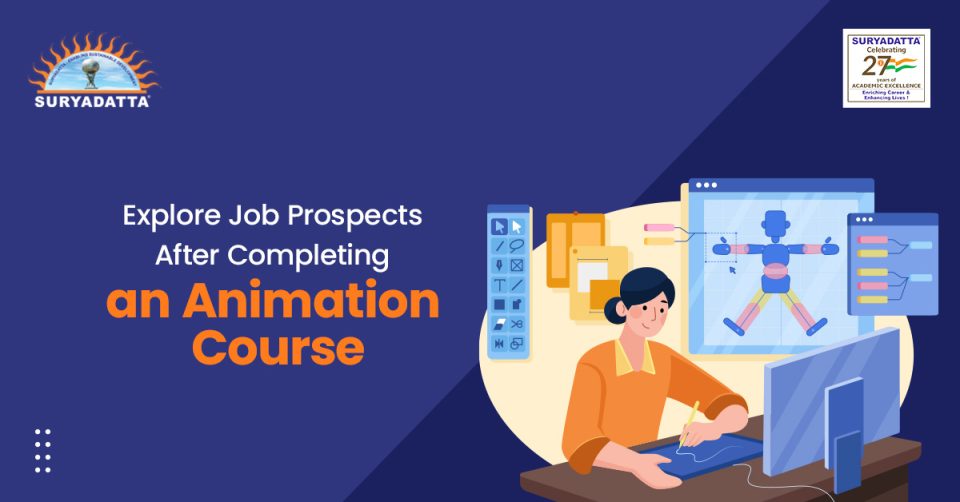
Explore Job Prospects After Completing an Animation Course

India has grown into a major hub for education, technology, and creative arts. With several reputed animation institutes, the city offers a thriving ecosystem for aspiring animators. Enrolling in an animation course can open doors to top-notch learning, expert faculty, and industry-relevant tools. Students benefit from access to modern infrastructure, high-quality labs, and exposure to real-world projects. Many of the best animation institutes offer specializations in 2D, 3D, VFX, and gaming. This wide range allows students to explore their interests and find the right career path. Moreover, Pune is home to many animation studios, production houses, and digital companies. This gives students internship opportunities and a chance to network with professionals. Choosing an animation course here means learning in a city that blends creativity with opportunity. Rise of Animation and VFX in India The animation industry in India has seen rapid growth in recent years. With rising demand for animated content in films, advertising, gaming, OTT, and education, the need for skilled professionals is at an all-time high. International studios are outsourcing work to Indian companies due to the talent pool and competitive costs. This has led to an increase in job opportunities across cities like Mumbai, Bangalore, and Pune. The scope of animation in India is expanding beyond entertainment, finding uses in architecture, medicine, and product design. As more businesses invest in digital media and storytelling, the need for creative visual content continues to rise. Animation and VFX have become vital parts of branding and communication. For students pursuing animation courses in Pune, this industry trend translates into long-term career potential. Core Skills You Gain from an Animation Course One of the key outcomes of an animation course is mastering industry-standard software. Students are trained on tools like Adobe After Effects, Autodesk Maya, Blender, and Toon Boom. These skills are essential for 2D animation, 3D modelling, and visual effects creation. By working on real-time projects, students learn how to bring characters, objects, and scenes to life. They understand the technical aspects of lighting, rigging, rendering, and compositing. This technical expertise helps them stand out in the job market. Whether you want to work in gaming, films, or advertising, software knowledge is crucial. A strong grasp of animation software training lays the foundation for creative execution and precision in work. Creative Thinking and Storyboarding Animation is more than just visuals. It’s about storytelling. Courses focus on building a student’s creative thinking skills, helping them develop engaging stories, characters, and sequences. Storyboarding becomes a vital tool in this process. Students are taught how to map scenes, structure timelines, and build narratives visually. Storyboarding also improves visual storytelling skills and ensures clarity before animation begins. Learning motion graphics enhances their ability to create dynamic, attention-grabbing content. Creativity plays a key role in delivering impactful animations. This is why institutions nurture both the artistic and imaginative aspects of a learner. These creative foundations are essential for anyone aiming to thrive in the animation industry. Industry Exposure During the Course A good animation course goes beyond theory. It includes hands-on projects, studio simulations, and mentorship from industry experts. Students get the chance to work on practical animation training modules, which mimic real-life studio work. Internships are often part of the curriculum, giving learners exposure to deadlines, teamwork, and client expectations. Working on live projects helps students understand the flow of production from concept to execution. This industry exposure builds confidence and gives them a competitive edge. Students graduating from institutes in Pune often leave with a strong portfolio and the work ethic needed for full-time roles. Top Career Options After an Animation Course Completing an animation course opens doors to diverse career paths where artistic talent meets technology. From working in film studios to creating content for digital platforms, the possibilities are vast. This blog explores the top career options after an animation course and how you can build a rewarding future in this dynamic field. Animation Job Profiles to Explore Animation offers diverse roles, depending on your area of interest and skills. Some of the most popular animator jobs include 2D Animator A 2D Animator creates flat, two-dimensional visuals using software like Adobe Animate. These animations are used in web videos, cartoons, educational content, and marketing. 3D Animator 3D Animators work with models and scenes in a 3D space. They create realistic movements, often for films, games, and simulations. Software like Maya and Blender are commonly used. Motion Graphics Designer This role blends design with animation. Motion Graphics Designers create animated titles, ads, and UI elements used in videos, apps, and social media. Game Designer Game Designers conceptualize levels, characters, and experiences in video games. Animation knowledge is crucial to create smooth transitions and interactions in gameplay. VFX Specialist Visual Effects Artists add effects like explosions, lighting, or background elements to live-action footage. They work in post-production for movies, TV shows, and commercials. Freelancing and Contract Opportunities Not all animators work full-time. Many choose to freelance and offer services to multiple clients. This path offers flexibility and freedom to work on various types of projects. Freelance animators often find work on platforms like Upwork, Fiverr, or through networking. There’s a growing demand for remote animation jobs as digital content production rises. Animation gigs include explainer videos, social media animations, game assets, or educational visuals. Freelancing allows you to grow a portfolio quickly and even build your brand as an independent artist. Entrepreneurship in the Animation Space Some professionals take a step further and start their own animation studio or design consultancy. As a self-employed animator, you can cater to clients in marketing, films, or even training. Running a studio means hiring a small team and managing client projects. This path involves creative freedom but also requires business acumen and networking skills. An animation studio startup can serve regional or global clients. With growing internet access and content needs, entrepreneurship in animation is becoming more viable than ever. Salary Expectations After Completing an Animation Course in Pune Freshers entering the animation field can

SCMIRT-Apr-25-960x502
Blog

Is a B.Sc. in Computer Science the Right Choice for Your Future?

A B.Sc. in Computer Science is a classic undergraduate program. It gives a solid foundation in computing concepts and software engineering. Students learn theory, coding, and practical skills. As part of this computer science undergraduate program, you explore areas like programming, logic, and system design. The degree prepares you for tech careers or further study. It helps you understand the digital world and how computers power it. With this degree, you also develop analytical thinking and problem-solving skills. A well‑structured course balances academic rigor with hands‑on labs. You graduate with both conceptual knowledge and real‑world experience. This blend makes the program attractive to future‑focused students. Course Structure and Duration A typical B.Sc. Computer Science subjects and syllabus span three years. Each year you progress from basics to advanced topics. In the first year, you study Maths, fundamentals of CS, and introductory programming. The second year builds up algorithms, data structures, and systems. The final year focuses on specialization and projects. Labs and assignments form a big part of learning. Many colleges include minor electives like web development or database management. The duration gives you time to internalize concepts and practice coding. You also attend workshops or coding bootcamps. This gradual buildup helps you become confident with theory and applications. Core Subjects Covered in B.Sc. Computer Science You will tackle subjects such as Data Structures, Algorithms, Operating Systems, Python, Java, and more. These core courses form the backbone of modern computing. In Data Structures and Algorithms, you learn efficient ways to store and process data. Operating Systems teaches you how software interacts with hardware. Programming languages like Python and Java allow you to build real applications. You may also study networking, database management, and software engineering. With hands‑on projects in Python or Java, you get practical exposure to coding. These foundations serve well in specialized areas later. By the end of the program, you have built strong technical skills that are always in demand. Why Choose a B.Sc. in Computer Science? The B.Sc. in Computer Science remains robust. Every industry needs technical professionals. From IT firms to retail, healthcare, finance and startups, demand is high. You can find roles in software development, system administration, data analysis, and more. As businesses embrace digital transformation, your skills become vital. Even non‑tech sectors now rely on analytics and automation. A B.Sc. in Computer Science can open Job doors quickly. Employers value graduates with theoretical knowledge and coding ability. Freshers often land internships or junior roles right after graduation. That early exposure builds momentum for a long‑term tech career. Technology‑Driven Future The future of IT and tech careers looks bright. Emerging technologies like Artificial Intelligence, Machine learning, and Cloud computing are redefining industries. A B.Sc. CS degree lays the technical groundwork for those fields. You become familiar with computational thinking and problem solving. As automation spreads, skilled programmers and system thinkers remain essential. Even roles like digital marketing or product management benefit from CS background. Understanding code, databases, and systems gives you an edge. Technology is becoming core to nearly every business. That shift ensures steady demand for graduates with computing skills. Foundation for Specialized IT Roles A B.Sc. in Computer Science sets the stage for entry-level jobs after B.Sc. CS in various IT domains. You build fundamentals that lead to jobs like software developer, web developer, or system administrator. With additional learning, you can branch into AI, cybersecurity, cloud architecture and more. The degree is a steppingstone. If you want to upskill, you can take specialized certificates or advanced degrees. But your base remains strong. Recruiters look for graduates with coding fluency and understanding of systems. This foundation gives you flexibility. You can change domains or roles as the tech world evolves. Career Opportunities After B.Sc. in Computer Science There are many typical roles after graduation. Popular ones include Software Developer, Data Analyst, Web Developer, and System Administrator. In software development, you design, code, and test applications. As a data analyst, you interpret and visualize data. Web developers build websites or web apps using full‑stack tools. System administrators manage servers and networking infrastructure. These roles often serve as entry points into tech careers. You gain experience working on real‑world projects or internal systems. With strong performance, you progress to senior roles, team lead, or tech architect. Early career exploration builds competence and confidence. Emerging Career Paths in Tech New fields like AI, Machine Learning, Cybersecurity, and Cloud Computing are gaining traction. With the right electives or self-study, B.Sc. graduates can enter those areas. AI or ML roles may involve building algorithms or training models. Cybersecurity professionals defend systems and data. Cloud engineers work with platforms like AWS, Azure, or Google Cloud. These domains require constant learning. Internships or certification programs help shift into such growth areas. As companies adopt these technologies, demand for talent rises. A generic CS degree becomes the launch pad for these specialized and future-ready roles. Government and Private Sector Jobs Job opportunities after B.Sc. Computer Science exist across both government and private sectors. Public sector units, research labs, and educational institutes hire CS graduates. Many government services recruit tech professionals for IT infrastructure or projects. Private companies in software services, startups, finance, and e-commerce also hire aggressively. Placements vary by location and reputation of college. Some government roles may require competing exams or certifications. Private sector roles often give fast growth and better pay early on. A B.Sc. in Computer Science qualifies you for both pathways. You can choose based on values, salary expectations, and long‑term goals. Skills You Gain from a B.Sc. in Computer Science You gain programming languages in B.Sc. CS such as C, Java, Python, or SQL. These give you coding fundamentals and database understanding. You also learn about networks and distributed systems through labs and theory classes. Learning to write efficient code and structure data is key. Database modules teach you relational schemas, SQL queries, and even NoSQL basics. Networking courses explain protocols and network architecture. Together, these skills equip you for diverse tasks. You

SCMIRT-Jun-25-960x502
Blog

Is B. Com in Business Management Worth It in 2025?

What is B.Com in Business Management? B. Com In Business Management we offer an undergraduate course which puts forth the basic elements of commercial study with a focus on management principles. It is a great option for students that wish to study how businesses function, which resources they use and the strategic choices they make. The program which typically runs for the duration of 3 years puts theory into practice. In 2025 we see a revival of interest in this field which is a result of growth in the number of people that we are seeing enter professional roles which include management of operations, finance, marketing and human resources in a dynamic economy. Also we have the elements of globalisation and digital transformation which are in the process of re-structuring business as we know it which is what we see the B.Com in Business Management curriculum respond to by including in its’ design current issues like data analysis, e commerce, and digital marketing in addition to the classic subjects. Graduates from this program do not go into corporate careers only but also, they get into entrepreneurship, public service, and global markets. As a whole B.Com in Business Management is a springboard to a wide range of professional and academic opportunities. Understanding the Core Subjects of B.Com Business Management The B.Com in Business Management includes a wide range of subjects which develop managerial and analytical skills. We cover in depth many business functions. Some basic subjects of study are financial accounting, organizational behaviour, business laws, economics, marketing management and human resource management. Also, students look at cost and management accounting, entrepreneurship development, statistics and strategic management. The course is designed to make sure that students grasp not only business theory but also practical elements as well. By the fourth year of the program students usually will do projects or internships which in turn allow them to use what they have learned in the classroom in real world business settings. This multi-disciplinary curriculum provides students with a broad range of skills to address business issues which in turn they will do in large companies or small businesses. B.Com vs BBA: What’s the Difference in 2025? In 2025, we see an increased demand for B.Com and BBA programs, although they present different academic and into careers. B.Com in Business Management is more of a commerce track which includes finance, accounting, taxation, economic subjects as well. Also, BBA is mainly focused on management studies like business strategy, leadership, and operational efficiency. While in the field of finance and accounting B.Com provides a strong base also for those that wish to pursue CA, CFA or M.Com, BBA is for the students that have eyes on MBA or leadership positions in the corporate world. Also, B.Com puts more into quantitative and analytical subjects which BBA does not stress as much instead BBA puts in more effort into business communication and leadership development. In 2025 what we see is that which career path a student chooses between the two [B.Com in Business Management and the other] is based on their long-term goals. Students that prefer number crunching and business-related subjects may see the B.Com in Business Management program as the best fit for them. Why Choose B.Com in Business Management in 2025? By 2025 the business world is at a breakneck pace, very tech focused, and very competitive. B.Com in Business Management programs get students ready for the to come. The curriculum is also updated to present what the industry as of now demands and is to put out in the coming years. This course is for students which are interested in gaining insight into business operations and which also want to develop their problem solving and decision-making skills. We cover the theory but also get into the practice. B. In Business Management we see that it still has value today which is in its wide range of in-depth coverage of business and commercial issues, that which puts our students at an advantage in terms of job and entrepreneurial success. Key Benefits of Pursuing B.Com Business Management Pursuing a B.Com in Business Management is also very rewarding. It puts you in play for a large variety of careers in the private and public sectors. The program improves analytical and organizational skills which are key in any professional setting. Students obtain a strong base in business operations, customer relationships, market trends, and financial strategies which in turn see them do very well in roles of analysts, consultants, and executives. Also, this degree is a good foundation for students that wish to go into post graduate studies in the fields of MBA, M.Com, or international certifications like ACCA and CMA. The course also develops personal growth in terms of leadership, teamwork and communication which are key to long term career success. Industry Demand for B.Com Graduates in Business Management In 2025 we will see that companies are after professionals which have a strong business and commercial base. We note that which employees do best are those who not only have a head for numbers but also can put this ability to use in the everyday operations of the business. B. In the area of Business Management we see a preference for graduates in sectors like banking, financial services, consulting, retail management, supply chain, and IT enabled services. Also, with India’s growing startup ecosystem and the process of digital transformation in various industries which is still in early stages, we are seeing an increase in the demand for business smart professionals. This issue is not limited to Indian companies. Across the globe we see that which business management graduates do well are those that have studied issues of running cross functional teams and diverse market strategies. Alignment with Digital Business and Entrepreneurship Trends Digital disruption has brought in a new way of doing business. In 2025 we see that which professionals do well are those that are at ease with digital tools and platforms. B.Com in Business Management has

SCMIRT-MAR-25-960x502
Blog

Top 7 Career Options After B.Com in Pune: Beyond CA and MBA

As a professor guiding B.Com students in Pune for over a decade, I’ve seen many students equate post-graduation success with CA or MBA. While these are stellar paths, Pune’s dynamic job market offers far more opportunities. Let’s explore career options after B.Com that aligns with Pune’s thriving industries—without the grind of CA exams or MBA fees. 1. Digital Marketing: Ride the Digital Wave Pune’s IT hubs like Magarpatta City and Hinjawadi are hotspots for digital marketing roles. With 40% annual growth in digital ad spending (Dentsu India Report, 2023), skills in SEO, social media, and content marketing are in demand. How to Start Certifications: Google Ads, HubSpot, or Facebook Blueprint. Skills: Analytics, creativity, and data interpretation. Job Roles: Digital Marketing Executive, SEO Specialist, Content Strategist. Salary Range: ₹3–6 LPA (entry-level). Why Pune? Over 500+ startups and MNCs like Tech Mahindra and Infosys hire digital marketers here. 2. Data Analytics: Decode Business Success The global data analytics market is projected to hit $105 billion by 2027 (MarketsandMarkets). Pune’s manufacturing and IT sectors need analysts to interpret sales trends, customer behavior, and operational efficiency. How to Start Learn Tools: Excel, Python, Tableau, SQL. Certifications: Certified Analytics Professional (CAP), Coursera’s IBM Data Analyst. Job Roles: Business Analyst, Data Associate, Market Researcher. Salary Range: ₹4–7 LPA. Pro Tip: Pune’s tech parks offer internships in data-driven firms like TCS and Persistent Systems. 3. Financial Planning & Analysis (FP&A) Beyond traditional accounting, FP&A roles focus on budgeting, forecasting, and strategic planning. Pune’s real estate and automotive industries (e.g., Bajaj Auto, Tata Motors) rely on financial analysts for growth. How to Start Certifications: CFA (USA), NISM’s Financial Planning Module. Skills: Financial modeling, risk assessment. Salary Range: ₹3.5–6.5 LPA. 4. Entrepreneurship: Build Your Legacy Pune’s startup ecosystem ranks among India’s top 5 (StartupBlink). From cloud kitchens to edtech, B.Com graduates can leverage their finance acumen to launch ventures. Support Systems Incubators like Symbiosis Center for Entrepreneurship and Innovation. Government schemes: Maharashtra’s Startup Policy offers subsidies and mentorship. 5. Investment Banking & Equity Research Pune’s proximity to Mumbai’s financial district makes it a feeder market for roles in IPO analysis, mergers, and wealth management. How to Start: Certifications: CFA, FRM (GARP). Skills: Valuation modeling, regulatory knowledge. Salary Range: ₹5–8 LPA (entry-level). 6. Cybersecurity & Financial Compliance With cybercrime costs projected to reach $10.5 trillion annually by 2025 (Cybersecurity Ventures), banks and fintech firms in Pune seek experts to safeguard transactions. How to Start Certifications: CISSP, CompTIA Security+. Job Roles: Risk Analyst, Compliance Officer. 7. International Business & Logistics Pune’s manufacturing giants (e.g., Kirloskar, Cummins) need professionals to manage global supply chains and exports. How to Start Certifications: Certified Supply Chain Professional (CSCP). Skills: Cross-cultural communication, logistics software. Why Suryadatta College (SCMIRT) Stands Out At SCMIRT, we prepare students for these careers through Industry-Aligned Programs: Bachelor’s in commerce, IT, Cyber Science, and more. Hands-On Training: Workshops by experts from companies like Amazon and HDFC. 100% Placement Assistance: Partnerships with 500+ companies, including Capgemini and L&T. NAAC Accreditation & Global Recognition: Ensures quality education benchmarked globally. Our students intern on-campus in domains like finance, IT, and digital marketing, gaining real-world experience before graduation. Ready to Explore? lk Join Suryadatta College, where 85% of our 2023 batch secured jobs within 3 months of graduating. Our NAAC A+ accreditation and ANAB certification ensure you learn from the best. Enroll now in programs like B.Com-IB, B.Sc-CS, or M.Sc. Data Science to future-proof your career. Your Next Step Pune’s job market rewards innovation and skill. Whether you choose data analytics or entrepreneurship, the key is to start early and specialize.

Blog-9
SNS

Best Animation Course in Pune for 2025 Aspirants

Pune boasts some of the world-class animation colleges, and if you are a 2025 candidate who wants to be an animation expert, this city offers some of the most promising prospects for you to pursue your dream. As an experienced animation professor, I have seen this new art form grow into a very lucrative and demanding career. The animation industry is growing, and with the growing demand for animated content, there has never been a better time to start your career. We will take you through all that you would like to know about the best animation courses in Pune for 2025 candidates. Why Choose Animation as a Career? Let’s first see why animation is a good career option before we consider the best animation courses in Pune. Animation is not merely making cartoons; it’s a broad area of gaming, movies, advertisements, digital media, architectural visualisation, etc. With the growth in technologies, particularly 3D and VR/AR, the field of animation has grown manifold. If you are looking to work in visual narration, creative graphics, or video production, animation lets you exercise your imagination while still having a stable career. Besides this, the international animation industry is projected to reach $270 billion by the year 2028, one of the highest-growing industries. If you’re an art enthusiast, a storytelling enthusiast, and a tech enthusiast, then animation could be the perfect job for you. Why Pune is the Hub for Animation Courses? Pune, known as the educational capital of Maharashtra, offers some of the finest institutions for higher studies, including in the field of animation. The city has a robust infrastructure, making it an ideal place for students to pursue creative education. Pune is home to several top-notch animation institutes that offer both undergraduate and diploma courses designed to prepare students for a successful career in animation. What sets Pune apart from other cities is its emphasis on practical learning, industry exposure, and state-of-the-art facilities. Many animation courses in Pune also include internships with top media houses, which is a great way for students to gain real-world experience. In addition, Pune has a large and diverse student community, offering an enriching cultural experience. Key Factors to Consider While Choosing the Best Animation Course in Pune As an aspiring animation student, it’s crucial to choose a course that aligns with your interests and career goals. Here are some key factors to consider while selecting the best animation course in Pune 1. Accreditation and Affiliation The first thing you need to check is whether the animation institute is accredited by a recognized board or university. Institutes that are affiliated with prominent universities or have tie-ups with industry experts will provide a more credible education. Look for courses that are certified by the Animation Council of India or similar bodies. 2. Course Curriculum and Specializations Animation is a broad field with various specializations such as 2D animation, 3D modeling, VFX, motion graphics, and game design. Before enrolling, you should research the course syllabus and ensure it aligns with your interests. The best animation courses will cover a wide range of skills, including character design, storytelling, animation software, and visual effects. 3. Faculty Expertise Look for institutions that have experienced faculty members with a proven track record in the animation industry. Faculty with hands-on experience in animation production will be able to provide you with the necessary industry insights and practical skills. Check their profiles to see if they have worked with renowned animation studios, films, or gaming companies. 4. Industry Connections and Internship Opportunities One of the best ways to learn is through real-world experience. Choose an animation course in Pune that offers internships or collaborations with animation studios, media companies, or gaming companies. Internships provide students with an opportunity to work on live projects, get feedback from industry professionals, and build a strong portfolio. 5. Infrastructure and Facilities The best animation institutes will have state-of-the-art facilities, including high-end computers, animation software, and green-screen studios. Make sure the institution provides access to industry-standard tools that will help you hone your skills and build a professional portfolio. 6. Placement Support A good animation course will not only teach you how to animate but also help you land a job in the industry. Check whether the institution has a placement cell that assists students in securing job opportunities. Many institutes have partnerships with leading animation studios, gaming companies, and media organizations, which can be a huge advantage. 7. Course Duration and Flexibility Depending on whether you’re looking to pursue a diploma, degree, or certificate, the duration of animation courses can vary. Some courses are intensive and can be completed in a year, while others may take up to three years. Additionally, if you’re a working professional, look for courses that offer part-time or online options. 8. Student Feedback and Alumni Success Before making your decision, check student reviews and testimonials. Alumni success stories can provide insight into how well the institute has prepared students for the workforce. Institutes with strong alumni networks and industry recognition tend to offer better opportunities for students after graduation. Top Animation Course to Consider in Pune for 2025 Pune boasts top animation institute that offer comprehensive courses designed to equip students with the necessary skills to succeed in the industry. This institute offer a range of undergraduate, diploma, and certificate programs in animation. Suryadatta Institute of Management, Information and Research Technology SCMIRT offers a wide range of design and creative courses, including a specialized animation course programs. They offer hands-on experience, industry connections, and professional training. With expert faculty and a strong industry network, SIFT is a great choice for students looking to build a career in animation.

B.com
SCPHR

Scope & Career Opportunities after B.Com in International Business: A Complete Guide

In today’s globalized world, businesses are expanding beyond borders, creating a huge demand for professionals skilled in international business. A Bachelor of Commerce (B.Com) in International Business is an excellent choice for students who aspire to build a career in the global marketplace. This program provides an in-depth understanding of the complexities of international trade, finance, marketing, and legal systems. If you’re considering a B.Com in International Business, it’s important to understand the scope and career opportunities that await you. In this blog, we will explore the potential career paths, growth opportunities, and skills needed for success in this dynamic field. What is B.Com in International Business? B.Com in International Business is a specialized undergraduate program that combines core commerce subjects with international trade and business management concepts. This program typically covers topics like international economics, foreign exchange management, global marketing, international finance, and cross-cultural management. Students are prepared to understand the various factors that affect business operations in different countries, including economic conditions, legal frameworks, and cultural influences. Why Pursue B.Com in International Business? With globalization connecting markets across the world, businesses are increasingly looking for individuals who understand international trade dynamics. A B.Com in International Business equips students with the skills to analyze market trends, manage global supply chains, and make strategic decisions in a cross-cultural environment. Here are some reasons why pursuing this degree is a smart choice Rising Demand for Global Trade Experts: As businesses expand globally, the need for professionals who can navigate complex international markets is growing. International business professionals are in demand across industries such as finance, marketing, logistics, and manufacturing. Better Job Prospects: The degree opens doors to various high-paying career options in both private and public sectors. The global nature of business means that there are opportunities not just in India but abroad as well. Skill Development: Students acquire skills in communication, problem-solving, negotiation, and strategic thinking, which are highly valued by employers. The program also helps students develop a deep understanding of global business practices, which is crucial in today’s competitive environment. Career Opportunities after B.Com in International Business After completing a B.Com in International Business, you can pursue a wide range of career opportunities. Here are some of the top job roles and industries where you can build a successful career: 1. International Business Manager As an International Business Manager, you will oversee the operations of a company that is dealing with international markets. This role involves developing strategies for expanding into new markets, negotiating with international suppliers, and managing cross-border teams. It is a leadership role with high growth potential. Skills Required Leadership and management Strategic thinking Cross-cultural communication Market analysis 2. Global Supply Chain Manager Supply chains in international business are complex, involving logistics, procurement, and inventory management across multiple countries. A Global Supply Chain Manager ensures smooth operations, timely deliveries, and cost optimization. This role demands strong organizational and analytical skills. Skills Required Logistics management Procurement and sourcing Risk management Problem-solving abilities 3. International Marketing Manager An International Marketing Manager is responsible for promoting products and services in international markets. This involves creating marketing campaigns that resonate with diverse cultures, understanding international consumer behavior, and navigating regulatory challenges. You may work with multinational companies or marketing agencies. Skills Required Marketing strategies Market research Cross-cultural marketing Digital marketing skills 4. Export/Import Manager Export/Import Managers handle the business of trading goods and services across national borders. They are responsible for overseeing the logistics of shipping goods, negotiating with foreign vendors, ensuring compliance with international trade regulations, and managing relationships with overseas clients. Skills Required Knowledge of international trade regulations Negotiation and relationship management Customs regulations and tariffs Analytical skills 5. Foreign Exchange Analyst Foreign Exchange (Forex) Analysts analyze the fluctuations in currency exchange rates, a crucial aspect of international business. They provide insights to companies involved in international transactions, helping them minimize currency risks and optimize their global financial strategies. Skills Required Financial analysis Knowledge of global financial markets Attention to detail Strong quantitative skills 6. International Trade Consultant As a consultant in international trade, you will offer expertise to businesses looking to expand globally. This may involve advising on trade regulations, market entry strategies, and global partnerships. You will need a strong understanding of trade laws, market trends, and cultural dynamics. Skills Required Strong consulting skills Deep knowledge of trade agreements Research and analytical skills Networking and relationship-building skills 7. International Business Development Executive Business development professionals in international business work to identify and create growth opportunities in foreign markets. They are responsible for developing business strategies, establishing partnerships, and managing relationships with foreign clients or partners. Skills Required Sales and negotiation skills Strategic thinking Market research Networking abilities 8. Customs Officer A Customs Officer plays a key role in ensuring that goods imported or exported meet the legal standards of a country. They are responsible for inspecting shipments, enforcing customs laws, and preventing illegal trade. Working in customs provides a unique career path in the global business environment. Skills Required Knowledge of international trade laws Attention to detail Analytical thinking Strong communication skills Skills Needed for a Career in International Business While the career opportunities in international business are diverse, there are several key skills that are essential for success in this field. Here are the top skills that will help you excel Communication Skills: Effective communication is crucial in international business, where you may have to work with clients, teams, and partners from diverse cultural backgrounds. Cultural Sensitivity: Understanding cultural differences is vital when dealing with international clients or managing cross-border teams. Being culturally aware helps in creating strong business relationships. Analytical Thinking: The ability to analyze market trends, economic conditions, and financial data is essential for making informed decisions in a global business environment. Negotiation Skills: Negotiating with international suppliers, clients, and partners is an everyday task. Strong negotiation skills are necessary for securing favorable deals. Adaptability and Flexibility: International business often involves unpredictable changes, such as shifts in trade policies or market

Scroll to Top